
On this page
If you wake with your tongue stuck to the roof of your mouth, or you keep a glass of water by the bed because your mouth feels like sandpaper by morning, it’s fair to wonder what’s going on and whether it matters for your teeth.
The short answer: a dry mouth is a symptom, not a condition in itself. Australian health guidance links it to things like medicines, dehydration and breathing through your mouth. Because saliva helps protect your teeth, it’s worth raising at your next check-up. At Sienna Smiles, your dentist goes through your medical history with you before the examination.
Why does my mouth feel driest at night?
Often it’s because several everyday causes stack up while you sleep and you aren’t eating or drinking for hours. The Better Health Channel’s dry mouth fact sheet explains that chewing and swallowing food increases saliva flow, and it lists breathing mostly through your mouth, for example with a stuffy nose or blocked sinuses, as one cause of dry mouth. The Australian Dental Association (ADA) describes dry mouth as more noticeable at night, which is why some of its suggestions are meant for bedtime.
It helps to separate the feeling from the cause. Both sources describe dry mouth as something you feel rather than a diagnosis. The ADA adds that it isn’t always because the saliva glands aren’t working properly, and that sometimes the cause isn’t known. So the useful question isn’t only “how do I stop it?” but “what’s behind it for me?”
Possible contributors named on those two pages include:
- side effects of many medicines
- not drinking enough fluid
- smoking, and drinking a lot of alcohol, tea or coffee
- breathing through your mouth because of a blocked nose or sinuses
- hormone changes during pregnancy or menopause
- health conditions such as Sjögren’s disease and diabetes
- radiotherapy or chemotherapy, especially radiation directed at the head and neck
More than one can apply at once, which is a good reason to have it looked at rather than guess.
Why does a dry mouth matter for my teeth?
Because saliva does a lot of quiet protective work. The Better Health Channel explains that saliva neutralises the acids made by plaque bacteria, carries calcium and phosphate that help prevent and repair early decay damage, and helps you chew and swallow comfortably. Without enough of it, people are more likely to get tooth decay.
The same fact sheet points to two places decay can show up in a dry mouth: along the gum line, where the root surface is exposed, and on the lower front teeth, which saliva from under the tongue normally protects. Dentine, the layer under the enamel, is less resistant to acid. The ADA says tooth decay can develop faster in a dry mouth.
Other signs the Better Health Channel lists include thick or stringy saliva, a rough, dry tongue, trouble chewing or swallowing dry food, bad breath, cracked lips, mouth ulcers and a prickly or burning feeling. If you wear acrylic dentures, they may feel looser, because saliva helps create the suction that holds them in place.
The fact sheet is also clear that decay is still preventable with the right diet, lifestyle and thorough cleaning. A dry mouth raises the stakes. It doesn’t decide what happens next.
Could my medicines be causing it?
They might. Both sources list medicine side effects as a common cause, and the Better Health Channel names antihistamines, blood pressure medicines, sedatives, decongestants, some pain relievers and antidepressants among the types known to dry the mouth.
Please don’t stop or change a medicine because of a dry mouth. The Better Health Channel’s fact sheet (reviewed 9 September 2025, section “Tips for living with dry mouth”) says: Do not stop taking your medicine without speaking to your doctor.
The ADA says the same: changes to how you take a medicine should only be made with your doctor’s advice.
What you can do is bring a complete, current list to your dental appointment, including vitamins and supplements, which the ADA also suggests checking. If a medicine seems to be part of the picture, the doctor who prescribed it may be able to adjust the dose or suggest something different. Meanwhile, your dentist can focus on looking after your teeth and gums.
What can I try at home tonight?
Start with the simple steps both Australian sources suggest, and be guided by your own dentist and doctor:
- Drink water regularly through the day.
- Try a humidifier in your bedroom at night.
- Take dentures out while you sleep, and clean them well every day.
- Use a greasy balm such as petroleum jelly or lanolin on dry lips.
- Cut back on things that make dryness worse: smoking, vaping, alcohol, coffee and tea.
- Skip mouthwashes that contain alcohol.
- Chew sugar-free gum between meals to get saliva flowing. The ADA notes this may not suit you if you have a jaw problem or jaw pain.
- Try a sugar-free dry mouth lozenge containing xylitol before bed, rather than sugary hard lollies.
Pharmacies also sell saliva replacement products, including gels, sprays, mouthwashes and toothpastes. The ADA explains that they’re thicker than water and help hold moisture in the mouth. The Better Health Channel suggests asking your dentist for recommendations, and using any prescribed saliva substitute strictly as directed.
Should I keep sipping water all night?
Drink plenty of water, but how you sip may matter. The two sources put their emphasis in slightly different places, so it’s worth reading them side by side.
Water and drink advice in two Australian sources (checked 2 November 2026)
| Topic | Better Health Channel (Victorian Department of Health) | Australian Dental Association |
|---|---|---|
| Water overall | Drink plenty of water. It may help to carry a drink bottle. | Drink lots of water. |
| Sipping | Avoid sipping slowly, as this can wash away any saliva. | Sip water as you eat. |
| At meals | Include watery foods and chew food thoroughly. | Choose soups and use sauces to make food less dry. |
| Drinks to limit | Sugary and acidic drinks such as soft drinks, sports and energy drinks, cordials and fruit juices. | Sugary drinks such as energy drinks and soft drinks, plus less coffee and tea. |
Read together, they don’t really disagree. The ADA’s advice to sip is about moistening food while you eat. The Better Health Channel’s caution is about constant slow sipping, which can rinse away the saliva you do have. One practical way to apply both is to drink properly when you’re thirsty and with meals, rather than nursing a bottle all night. If you’re unsure what suits you, ask your dentist.
How can I protect my teeth if my mouth is dry?
Keep up thorough cleaning and talk to your dentist about fluoride. The Better Health Channel recommends brushing at least twice a day, flossing or using interdental brushes once a day, and regularly using fluoride products such as toothpaste.
The ADA suggests a high-fluoride toothpaste for people with a dry mouth, and notes it’s sold in pharmacies and some dental clinics rather than supermarkets. Whether that’s right for you is a question for your dentist, who can look at your teeth and your history first.
Food matters too. Both sources say to avoid sticky, sugary foods and drinks. The Better Health Channel also suggests avoiding fruit-flavoured and sour lollies, which tend to aggravate a dry mouth, and crunchy foods such as crisps that could injure dry tissue.
For check-ups, the Better Health Channel suggests seeing your dentist every 6 to 12 months, and says you may need to come more often if you have a higher risk of tooth decay. The ADA also says people with a dry mouth may need more frequent visits, so problems can be found earlier.
What should I note before my appointment?
A week of notes gives your dentist more to work with than “my mouth is dry”. Use this checklist and bring it with you:
- When it happens: on waking, during the night or all day
- Whether you wake up breathing through your mouth, or often have a blocked nose or sinuses
- Every medicine, vitamin and supplement you take, with any recent changes
- What you usually drink in the evening, including alcohol, coffee and tea
- Whether you smoke or vape
- Other mouth symptoms: thick saliva, trouble swallowing dry food, burning, ulcers, cracked lips or bad breath
- If you wear dentures, whether they feel looser than before
- Anything outside your mouth, such as dry eyes, a dry nose or throat, or poor sleep
- What you’ve already tried, and whether it helped
You don’t need to work out the cause yourself. You’re giving the clinician something concrete to compare with what they see.
What happens when I raise it at Sienna Smiles?
It fits into a normal check-up. This is the visit as Sienna Smiles describes it on its new patients page and check-up and clean page:
- You complete your medical history and registration forms on a tablet, or bring forms you’ve filled in online. Your medicines list belongs here.
- Your clinician goes through your medical and dental history with you and hears your concerns and symptoms before any assessment begins. This is the moment to mention the dryness and share your notes.
- The examination covers your teeth and gums, with X-rays and an intraoral camera. Findings are shown to you on screen, so you see what your dentist sees.
- Fluoride is applied where your dentist considers it indicated.
- You leave with a written summary of findings and a home care plan. If treatment is recommended, you get a written plan with itemised costs that you can take home and think over.
First visits are allocated 45 to 60 minutes. The Better Health Channel describes what a dentist may look at when a mouth is dry: how the inside of the cheeks looks, the pattern of any decay, your medical history and your symptoms. Some causes, such as a medicine side effect or a condition affecting the saliva glands, also need your GP, and the fact sheet lists both your dentist and your GP as places to get help.
When should I get it checked sooner?
Don’t wait for your next routine visit if the dryness is persistent or comes with other changes. The ADA says that if you have quite a dry mouth, you should see your doctor or dentist so they can look for the cause and make a plan with you. The Better Health Channel suggests speaking to your doctor if it comes with symptoms elsewhere in the body, such as dry, itchy eyes, a dry nose or throat, poor sleep or unexplained weight loss.
For your mouth, it’s worth booking in if you notice:
- mouth ulcers or a burning feeling that keeps coming back
- dentures that feel looser than they used to
- difficulty chewing or swallowing dry food
For urgent dental problems, see our emergency dentist information.
Booking a check-up in Hilbert
Sienna Smiles is at Shop 7, 10 Daintree Street, Hilbert. Opening hours are Monday to Friday, 9 am to 5 pm, and Saturday, 9 am to 1 pm. You can book online or call (08) 6276 8338. Directions are on our contact page.
Bring your medicines list, your notes from the checklist above and your health fund card. When you call, you could say: “I’d like a check-up. I’ve been waking up with a dry mouth, and I’d like the dentist to check my teeth and go through my medicines list.”
Sources and scope
- Dry mouth, Better Health Channel, Victorian Department of Health. Reviewed 9 September 2025.
- Dry mouth, Australian Dental Association, teeth.org.au.
- Sienna Smiles: New patients, Check-up and clean, Contact and Our team.
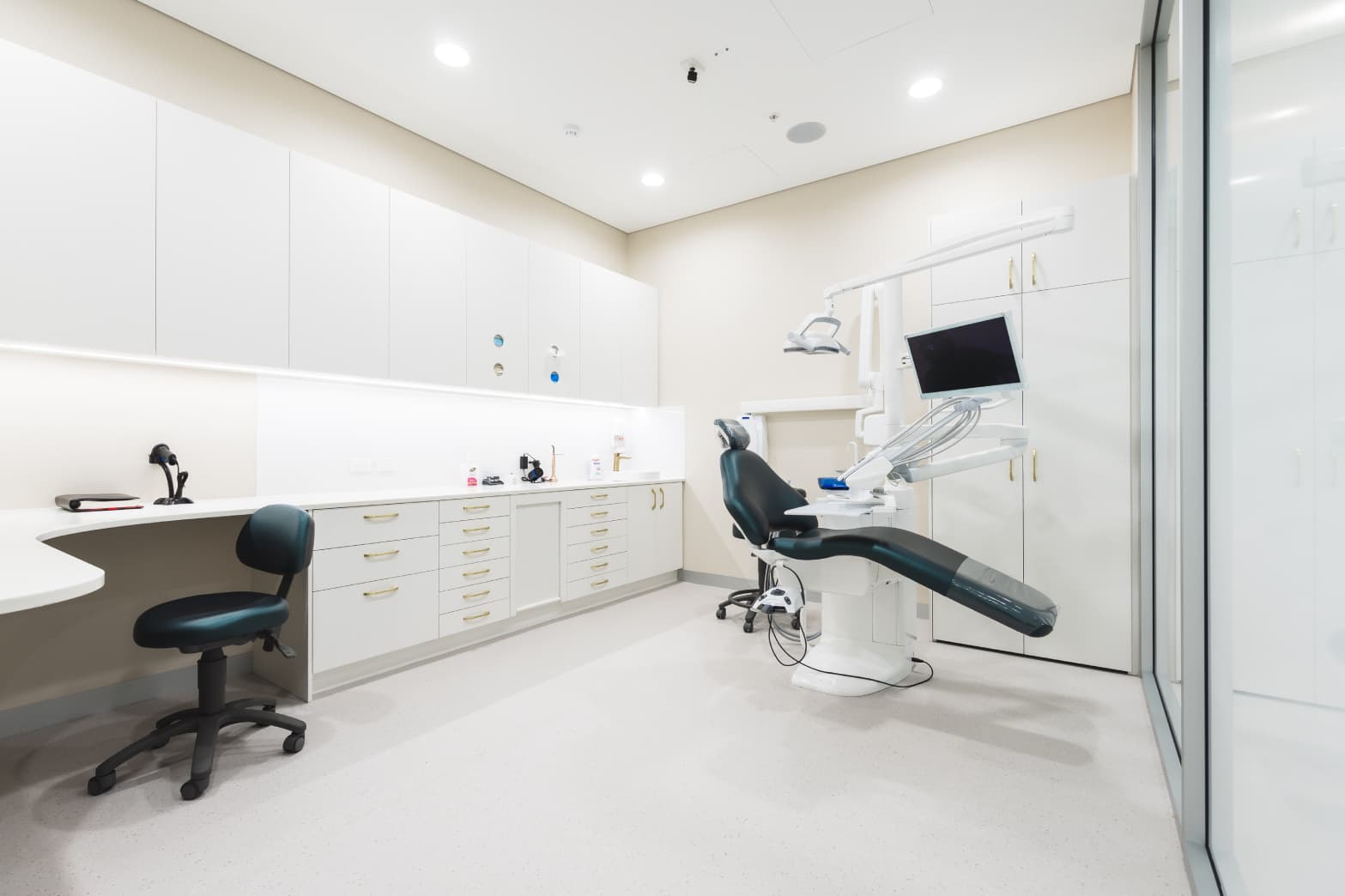
Sources checked 2 November 2026. This article is general information based on published Australian guidance, not personal advice. Your dentist or doctor can advise on your own situation. The photo shows a treatment room at Sienna Smiles; no patients are pictured.